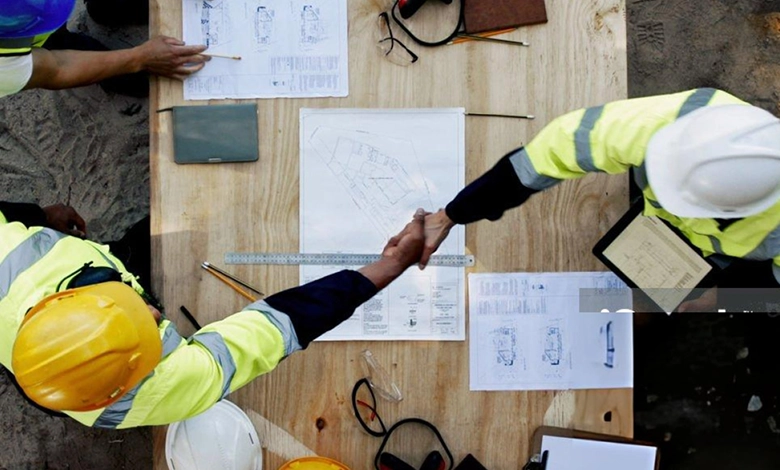
There is a moment in almost every construction project when excitement slowly turns into concern. At first, everything feels clear. Plans look solid. Numbers seem reasonable. The timeline appears manageable. Then, as work begins, costs start shifting. Small changes stack up. Delays creep in. Before long, the budget that once felt reliable begins to slip away.
This experience is more common than most people expect. It affects homeowners, property managers, and even seasoned investors. Yet the real cause often goes unnoticed. It is not always rising material costs or labor shortages. The surprising reason construction budgets fall apart is far more subtle—and far more preventable.
It Starts With What You Don’t See
At the beginning of any project, the focus naturally stays on visible elements. Flooring choices, wall colors, fixtures, and layout decisions take center stage. These details matter, of course. However, what happens behind the scenes carries even greater weight.
Hidden factors quietly shape the final cost:
- Incomplete site evaluations
- Missing structural details
- Outdated building plans
- Unknown utility conditions
- Limited communication between teams
These gaps may seem minor at first. Still, they act like small cracks in a foundation. Over time, they widen and create unexpected expenses.
The Real Culprit: Assumptions
Assumptions sit at the core of most budget breakdowns. When details are unclear, people fill in the blanks. Contractors may assume certain site conditions. Clients may assume certain finishes are included. Designers may assume certain materials are available within budget.
Each assumption creates a risk.
When reality finally replaces those assumptions, costs shift. Adjustments become necessary. And every adjustment adds time and money.
Instead of one major mistake, it is often a chain of small misunderstandings that leads to financial strain.
Why Small Changes Feel So Big
A single change rarely feels like a big deal. Swapping one material for another seems simple. Adjusting a layout by a few inches feels harmless. However, construction does not work in isolation.
Every decision connects to something else.
For example:
- Changing a wall position affects electrical wiring
- Upgrading materials impacts delivery schedules
- Adjusting layouts may require new permits
- Delays in one phase slow down every phase after it
Because of this, even a small revision can ripple through the entire project. Costs grow not just from the change itself, but from everything connected to it.
The Emotional Side of Budget Stress
Construction is not just about bricks, wood, and steel. It is deeply personal. It represents dreams, investments, and long-term plans. When costs begin to rise, it creates stress that goes beyond money.
There is frustration when expectations do not match reality. There is worry about running out of funds. There is pressure to make quick decisions under uncertain conditions.
This emotional weight often leads to rushed choices, which then create even more complications. It becomes a cycle that feels difficult to control.
Recognizing this emotional side is important. It allows better decisions, clearer thinking, and stronger communication throughout the process.
Clear Planning Changes Everything
Strong planning acts as the foundation for a stable budget. It does not remove every challenge, yet it reduces surprises in a meaningful way.
A well-prepared project includes:
- Detailed drawings that leave little room for guesswork
- Accurate cost estimates based on current market data
- Clear timelines with realistic expectations
- Defined roles for everyone involved
- Open communication from day one
When these elements are in place, the project moves forward with greater confidence. Fewer assumptions mean fewer unexpected costs.
Communication Is the Quiet Strength
Many budget issues come from simple misunderstandings. One team thinks something is included. Another team thinks it is not. Without clear communication, these differences stay hidden until they become expensive problems.
Consistent communication keeps everyone aligned.
It ensures that:
- Expectations remain clear
- Changes are discussed before they happen
- Costs are reviewed regularly
- Decisions are made with full awareness
This level of clarity creates trust. It also reduces the chances of sudden financial surprises.
The Role of Experience in Cost Control
Experience brings a deeper understanding of how projects unfold in real life. It helps identify risks early. It allows teams to anticipate challenges before they grow.
An experienced general contractor understands:
- How to read between the lines of a project plan
- Where hidden costs are likely to appear
- How to adjust without losing control of the budget
- How to coordinate different teams efficiently
This insight becomes a major advantage. It turns potential setbacks into manageable situations.
Why Cheap Estimates Can Cost More
Low initial estimates often feel appealing. They create a sense of savings right from the start. However, they can sometimes hide missing details or unrealistic assumptions.
When the actual work begins, those gaps become visible. Costs rise to cover what was not included in the original estimate. A more realistic estimate may seem higher at first glance. Yet it often leads to better financial control over the entire project.
This approach reduces surprises and builds confidence in every step forward.
Practical Ways to Keep Your Budget Steady
Staying in control of construction costs is possible with the right mindset and approach. A few simple practices can make a major difference.
- Review plans carefully before work begins
- Avoid rushing into design decisions
- Keep a financial buffer for unexpected expenses
- Stay involved in regular project updates
- Choose clarity over speed when making changes
Each of these steps strengthens your position. Together, they create a more predictable and manageable process.
Progress Feels Better When It’s Predictable
There is something reassuring about seeing a project move forward without constant financial surprises. It creates a sense of stability. It allows you to focus on the outcome instead of worrying about every expense.
Predictability does not mean perfection. It simply means fewer unknowns and better control.
This feeling transforms the entire experience. It turns construction from a stressful process into a structured journey with clear direction.
Final Thoughts
Construction budgets rarely fall apart because of one big mistake. Instead, they shift due to small gaps, unclear details, and assumptions that quietly build over time. Recognizing this changes everything.
With careful planning, open communication, and experienced guidance, it becomes much easier to stay on track. Costs become more predictable. Decisions feel more confident. The entire process becomes smoother and less overwhelming.
Working with a team that understands these challenges can make a lasting difference. Companies like TFV Construction Inc bring that level of awareness and clarity, helping projects move forward with greater control and fewer surprises.
In the end, staying informed and involved gives you the strongest advantage. It keeps your budget steady and your project moving in the right direction.